Home / Ōshū Kaidō / Sōkashuku
Sōkashuku 草加宿
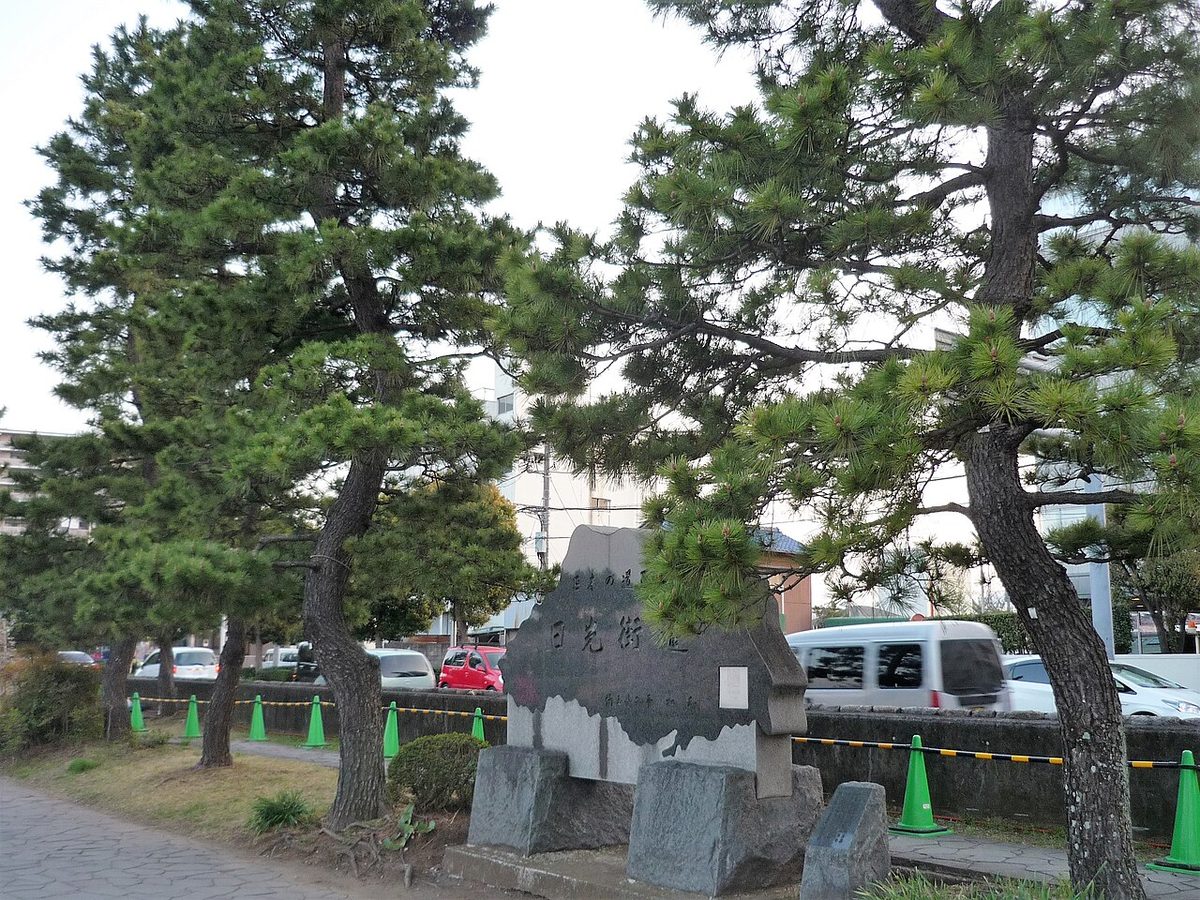
| Ōshū Kaidō (奥州街道) | Station 2 of 27 · Nihonbashi (Edo) → Shirakawa |
|---|---|
| Nikkō Kaidō (日光街道) | Station 2 of 21 · Nihonbashi (Edo) → Nikkō |
| Present-day location | Sōka-shi, Saitama, Japan |
| Prefecture | Saitama (Kanto region) |
| Next station | Koshigayajuku |
| Coordinates | 35.83534° N, 139.80647° E |
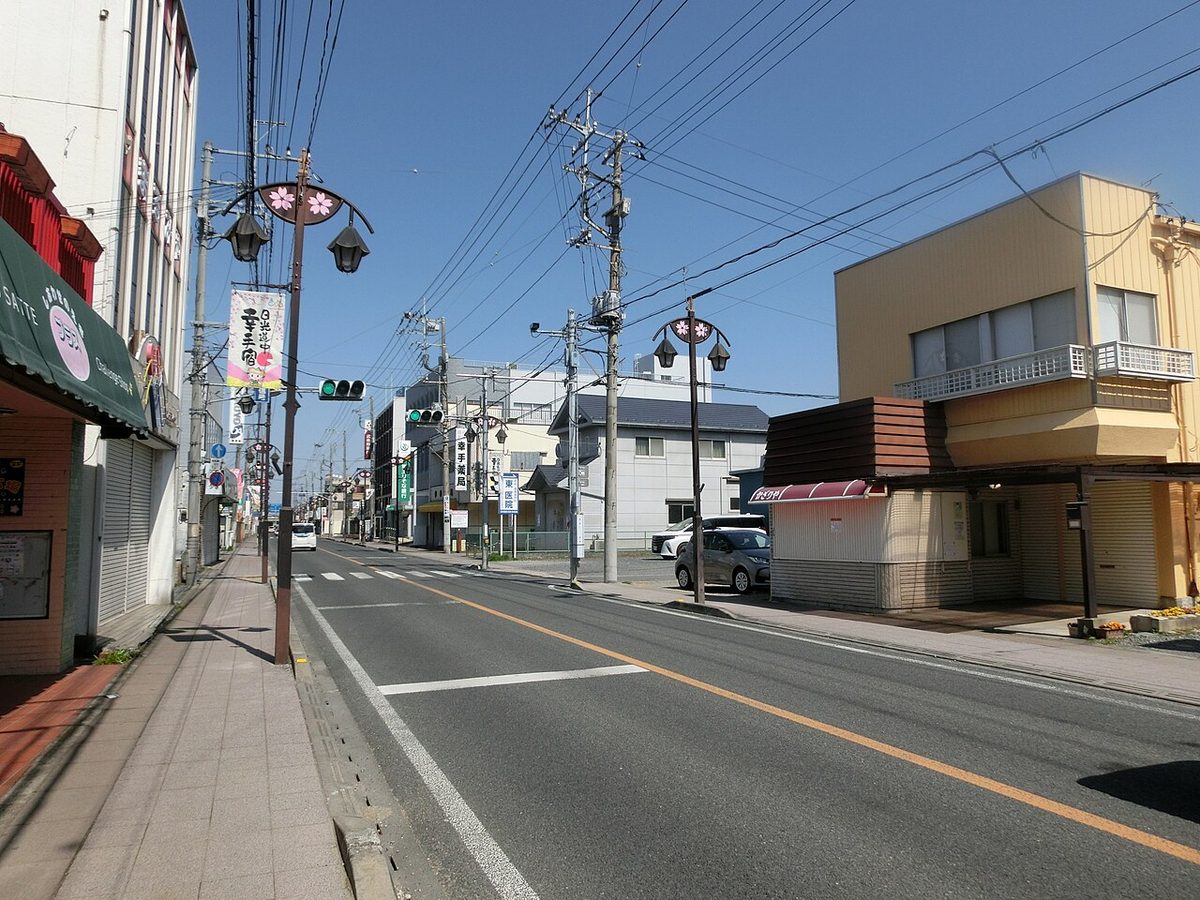
It was the second post station on the Nikkō Kaidō and Ōshū Kaidō. It was one of the six Saitama stations (Saitama rokushuku). It corresponds to the centre of present-day Sōka City, Saitama Prefecture. The location of The post town is one of the steps to the west of the Chrysanthemum, from the edge of the cathedral in front of today's Sukaka-Sai. "The 4-foot-back area above the sea below sea level" was located in the south-flowing waters of Nakangawa, Tosegawa, the Right Gate, the Eight River, the West Coast Waters, and Diya's water. In the beginning of Edo period, it was called "The Station of the Second Administrative of Kings," and a union of nine villages. The nine villages were the villages of Southwest, North and West.
The background
There's a description of the town of Taniji, which was one of the first in Shikoku. In the mirror of August 7, 2000, we read in the document "Fifteen Steps of the Shogun's Chief Minister of Japan."
Edo Five Roads maintenance
Mr. Toragawa set up a station system that required him to set up and take over the post. I took the route out to the valley along the natural border of the old Tokuyo River and the river Harbour. There were no post stations between Kyogiyaqui, but the Ogawa library in Injimura was central, and a new road was opened, and the swamps were filled, and we built a new way to link the Way of Life from Chikoku in almost straight lines. This is supposed to be the basis of the grass farm. When this route was completed, tea shops, vacationers, and other travelers would be gathered along the streets. It's the second post town. It was built by Tokugawa Tokugawa, who founded an Edo organization in 6 years.
We're setting up a meadow
At the end of the 11th year, Ogawa took the lead. To complete the construction of this new road, Hideo Tokugawa of the time was delighted and said, "The swamp with grass is to be carried away with it. "These days we've been eating grass." There is a saying that it comes from a local origin called "Susture Add." Also, at the Geological Society, they have the idea that this land has developed on the sand on the right side of the river, and that "Soga," meaning sand, has become grass. At first, there were 84 houses, 25 stallions, 25 stallions and small size, but gradually increased in number, and 3rd year of virtue, and when the city's city was built as a ten-tenthsai city, five-tenths of the country's capital, as well as the center of the settlement. The increase in traffic, such as in sunlight, has prompted the request to set up a station in the middle of the Taniji residence from Chiba. At the time, there were several settlements along the new road, but there were no large villages that organized post town. As soon as human heirships were too late, the Order allowed several villages to organize post town, so there were nine meadows in between, from 1,000 to 1,000, and nine from the village unions. In the year 1630, it was established that the Confederation's shogun system made it two boarding stations at Nikkō Kaidō.
The decline of the grass farm
At the time of the Nintendo, the number of doors was 84, 685 long, 25 stalls, 25 station horses, 5 to 6 vacationers, stores were tofurs, salt refineries, hot - water shops, hairdressers, children's houses, and afterward, farmers gradually multiplied to 120 doors in their retirement season. In the third year, 1713, the city of Sakura was built as the prime minister of Shiba, and the city was opened, and the city of Seikichi became the center of the country's market. From this time on, most of them were reserved for children and landowners, and were built around 5,000 other housekeepers, land areas, private residences, and conveniences; they grew up in the year 1716 to 1736; they grew to be 50 paraders and 50 stations in the year 1316. According to the year 1716 - 1736) and the year 1716 - 1743, there were 3,619 people in the population. This was the next largest of the post towns in the same sunny path, except for the Miya-juka and the old river lodges that were established in the city of Miya-juka. Toiyaba is equal to:..... There were bookkeepers on the track, people's feet on the horse, people's toes on the horse, servants on the run. The horse - riding system was for public use, but it was also a thriving hostel, such as a wooden lodge, a vacation home, and more stores. At the end of the season, it was said, under the context of the development of goods distribution, that in the meadows, there was a rise in powerful farming and that after the long term, the Great Trade Farm was created by the "16." The rice crop was originally used in this area, and farmers used to ground steamed rice and salted it into dry pieces and ate it as a snack. Once you enter the Edo period and the post town is opened and developed in this land, this salt pot will be sold as a commodity for travelers and will spread throughout the land. After that, it was said that the soy sauce produced by the Tokugawa River (such as Chiba Noda) began to taste it and became the root of today's vegetable harvest. At present there are more than 60 manufacturers and sales firms that are not in Sōka City and are still substitute nouns for grass. The manufacturing process is being mechanized, but there are not a few old - fashioned sun - dried or hand - baked places to make. See also the "Koji" section.
The Edo earthquake
On October 2nd, 2nd, 2nd, and November 11, 1855. The damage to the earthquake around Shizuo is recorded in the "Decision Year Record" book. Since the grass lodge around the old river was a settlement on the old river, there were house breaking and liquefiing phenomena caused by the earthquake.
Equipment
The connection road.
Traffic
I'm going to have to take care of it.
Text adapted from the Japanese Wikipedia article 草加宿, whose full text was translated into English for this guide by its contributors, licensed CC BY-SA 4.0. Station facts cross-checked with the road station lists (Japanese Wikipedia, CC BY-SA 4.0) and Wikidata (CC0).