Home / Ōshū Kaidō / Kurihashijuku
Kurihashijuku 栗橋宿
| Ōshū Kaidō (奥州街道) | Station 7 of 27 · Nihonbashi (Edo) → Shirakawa |
|---|---|
| Nikkō Kaidō (日光街道) | Station 7 of 21 · Nihonbashi (Edo) → Nikkō |
| Present-day location | Kuki, Saitama, Japan |
| Prefecture | Saitama (Kanto region) |
| Next station | 中田宿 |
| Coordinates | 36.14207° N, 139.70248° E |
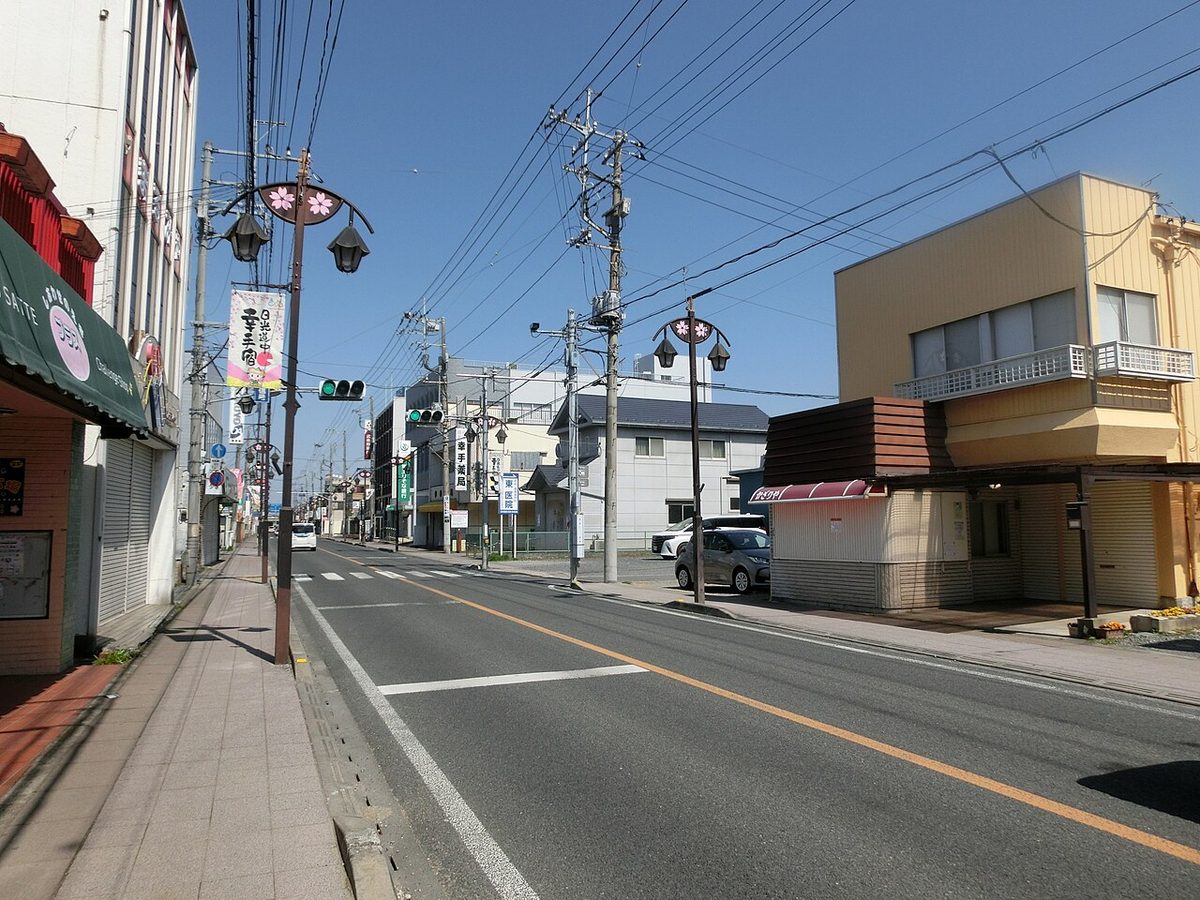
Kurihazakika is the prosperous post town of Edo period. It's the seventh of the Ten Commandments. It's one of the Bisama Inn. On the other side of Tokugawa and on the other side of the coast of Tokuta, they take the form of an inn, and there are descriptions of two inns, where they can be housed together. The location is Kurihazaki. The area is now covered by the 5th of Tohoku Bridge, the 2nd of Saitama, the 2nd of the bridge, the 2nd of the bridge, the third of the bridge, and the fifth of the Tohoku Bridge.
Overview
For many years, thanks to the request of the local Ikeda Shinoji and Koyaki Koichi, the Seki Koda Owada area has been opened up. Then, in the year 1616 of the original Japanese year, the Sun Tse - tung Ked enough muscle was replaced, and a Kurihasaki was established on the site as a station for the Tohoku River. Kurihazaki took the form of a boarding house and a boarding house on the other side of Tokugawa. It was a semimonthly shift. Ida Izunosuke, who worked so hard on Kurihazakika's settlement, served as a son-in-law for generations. According to Japan's Sequo Tse-Tung, it is painted in the pictures of the countries below, including Fukuto, Ooji, and Yoshigawa. According to the state county name of the area left in this area, it is listed as the lower state of Salushima or Frescent County by October. According to the record of Kurihashajukka, 1414 years 1843, it was a population of 1,741, Honjen1, Wichi-Honjin2, 25 vacations, 404 homes, etc. The Tohoku River bank was formed in the third year (in 1690) and was located near the branch area, which is the permutation point between the river Tokugawa and the Republic of Japan. There's a cross-cross between Kurihashashajuka and the boarding house of Nakada. But because it wasn't bridged from military purposes, the crossing grounds were put in place of what was called the Li River Handing. Also, on the other side of the Tokugawa River was set up the Li River Tanaka Station. The station was originally set up on the side of Nakata, but it was moved to the Kiyashi Bridge in the year 1624. The official name is "City of the Mining River Tokita" but it was commonly called "Huashi Bridge Station." A campaign to strengthen the area of the capital area has expanded the barrier, and the remains have been unearthed. In the bridge area, where Edo period and the architecture of the city is established, the city of Pottt is still on both sides of the road, and the flats, which provide shelter for the shrines, disaster parks, cherry trees, and so forth, are being reassembled and reassembled with a new plan to protect the area.
Kiyashi River Bank
According to Tohoku River Bank, it is said to be a third year of 1690. The river banks are located near the branching point of Ōshū Kaidō, on the right side of the river Tohoku River, on the other side of the river, and on the other side of the river, in the border. The name of the Bank of the Hashashi River was Shikoku Shikoku - it was on the Kurihashijuku River during the cultural year, but it has become the Bank of the river since the healing regime. According to the records of the 14th year 1843, the number of ships on the banks of the Hashashi River was the number of ships that passed through the palaces, five ships of tea, and two horses. At the river bank, besides bridges and shelters, there were other facilities.
The Fūsawa Ferry
I'm passing Cypriot. The pre-Edo period river point has been crossed from the current Tokyo border to the present Ibaraki Kohashi prefecture. I went north from old Kiyashimura and entered what is now Kooka. In Edo period of 1616 (the location of the present Kikkasawa Bridge, which was changed to a path across the Kunishiyo and Nakada residence, with the construction of Nakkoku.) This pass went on until the year the year the year the year the year the year the year the year the year was 13th. And since the Hanagawa River was to flow through this old river, it was decided that it would be a crossing ship from Tokugawa.
Iseshima Hotel
The site that was placed in Edo period at the Kadinga Nakkakaya River River Station, where there were stations to monitor access to and from Edo, and the location where it was necessary to protect the north of Edo. It's one of the facilities set up in Tokugawa's muscle. I found it on the banks of the Tohoku River. I'm told that the name came from the Kibashi Tokuta station, because it was between the Li River and the Inn. It was a famous bridge station. The facility was set up to monitor access to Edo from Nikkkagio, and it was necessary to protect the north side of Edo.
Traffic
The next room. I'm sure you'll be glad to hear it. Modern Traffic Iseshima Hotel. A car road, Saitama Road 60.
(Precise of Old Documents)
"In the first six years of my life, I've been at the Citadel for six years." "To the third year of my culture, I have to leave a copy of the Book of the Fabulous" 1837.
A Japanese book
Akitaka, Ichigawa's friend. >>Hugawa's teacher. NLJP: 1225314/22. Oshima, I'm looking for you. Oshima, I'm looking for you. Oshima Prolonged Jiro Fukushima, a revision of the site's history and reality. ISBN 4-404-0225-1-4. "The Change of the Tohoku River by Akiragawa's Rehabilitation Program." "The existence and role of the President of the United States and the President of the United States is that of the President of the United States. Fukui and his wife, Kimihiro, at Cyclopædia and Sashiki (Character) . . . . "A study of how to sail a river boat in the Edo river boat and its location on the river coast in the ZEdo period." Shikichi Shikoku's regional view of the "Spice of the Nations of Japan" - an example of a national picture.
Text adapted from the Japanese Wikipedia article 栗橋宿, whose full text was translated into English for this guide by its contributors, licensed CC BY-SA 4.0. Station facts cross-checked with the road station lists (Japanese Wikipedia, CC BY-SA 4.0) and Wikidata (CC0).