Home / Kōshū Kaidō / Inumejuku
Inumejuku 犬目宿

| Kōshū Kaidō (甲州街道) | Station 20 of 44 · Nihonbashi (Edo) → Kamisuwa (joins the Nakasendō) |
|---|---|
| Present-day location | Kai Province, Yamanashi, Japan |
| Prefecture | Yamanashi (Chubu region) |
| Distance from Nihonbashi | About 75.3 km (by the historical station tables) |
| Next station | 下鳥沢宿 — about 5.1 km on |
| Coordinates | 35.62656° N, 139.0343° E |
It's called "Indecision." The 21st post town counting from Nihonabashi. It's in Yamaniashi Uenohara. This is the top-of-the-line post town in the area, and Mt. Fuji, as seen from Inmejuku, was called by a painter and painted by a painter.
Overview
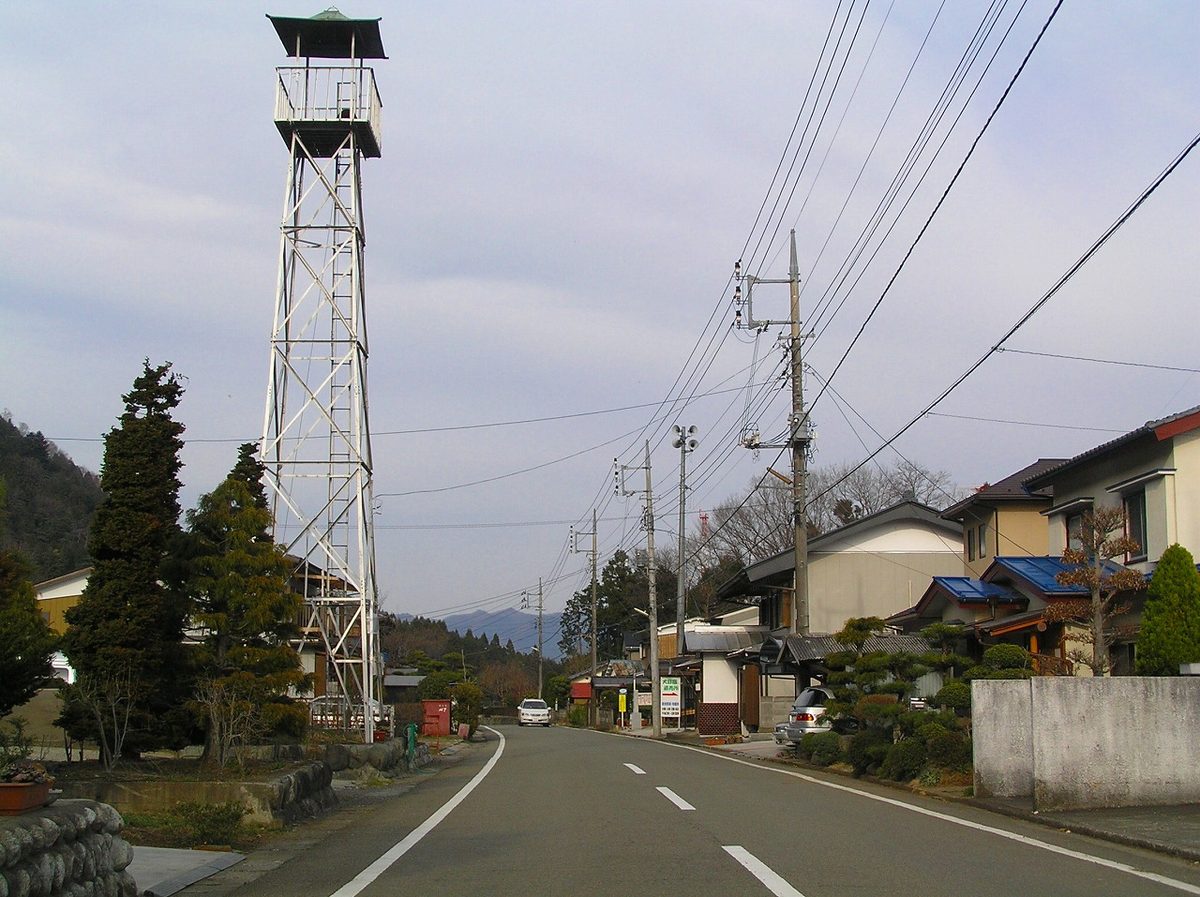
The little post town in the range near the dog-eye pass. Inumejuku is thought to have been built by one village as a residence. (1712) The settlement at the lower level, about 600 meters below the present location, was gathered to the present location, and the year after that, at the time of the rise of the boarding station, was established by a unified will as post town of the "one village". In 1842 he counted doors 56, population 255, honjin2, waki-honjin0, March 3, 3 and small 7. On February 12th, 1970, a fire broke out from the people's homes. A strong wind is driving them to burn one after another, burning 40 buildings, including the 14th Streets and the farm-couple and the private homes. About half of the old post town buildings left behind, including a grid door. In the center of the settlement is a private and farm resale shop Inumejuku. There's also fire in the center of the inn. As viewed from Inumejuku, Mt. Fuji is called "The Dog's Eye Man." In Inumejuku, there are such things as "The Tomb of Dog Watchers" and "The Dog's Tomb." The "dog's Eye" came from an unknown source, and local civil history researchers didn't know it as well. The model of the Cat Town in New Year's Eve.
Dog watchers help
There are signs and tombs presented as commoners who stood up during the Great Famine in 1836 and interviewed merchants who were buying rice. After that, the troops fled to various parts of the Confederation's hard pursuit, and when they settled down to the trees, they were forced to return to their senses in the evening years, and they lived until they were 71 years old and they are still there.
The Dog Kabuki shrine
It's a small company called 62rd Street.
Takataka
The treasure temple on the highway is the oldest building here, with 88th place, and 23rd spot in county. Mount Fuji as seen from around here was depicted in works such as Katsushika Hokusai's "Thirty-six Views of Mount Fuji" and Utagawa Hiroshige's "Thirty-six Views of Mount Fuji" (Fuji Sanjūrokkei). In addition to a statue of a moat that stands over seven meters high, there are about 20 symmetries of wood carvings in the main building and in the main building. There's a story left of the Pytharo legend.
White horse in motion
The steadyness of the white horse on the highway is left by the legend of the Man on the train.
Traffic access
A quick bus from Ueno.
Text adapted from the Japanese Wikipedia article 犬目宿, whose full text was translated into English for this guide by its contributors, licensed CC BY-SA 4.0. Station facts cross-checked with the road station lists (Japanese Wikipedia, CC BY-SA 4.0) and Wikidata (CC0).